Introduction
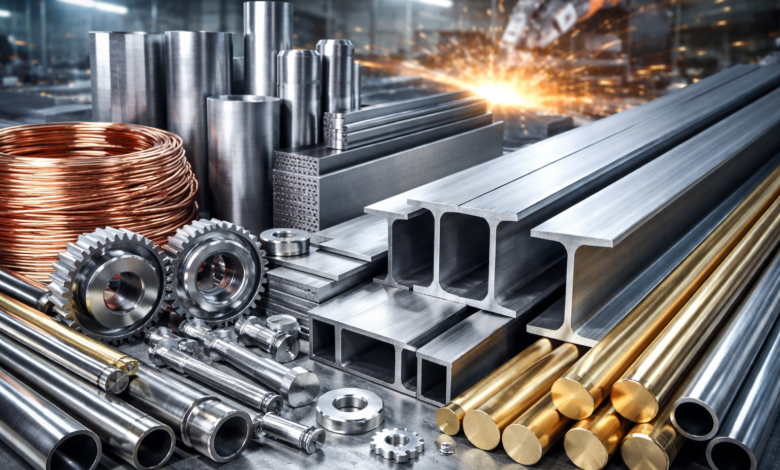
The word Kovových comes from the Czech language and means “metallic” or “made of metals.” While the term may not be widely recognized globally, the idea behind it is essential to everyday life. It refers to materials, objects, and structures that are primarily made from metals such as steel, aluminum, copper, and various alloys.
From ancient civilizations to modern cities, Kovových materials have played a critical role in shaping human progress. Today, they are found in everything—from buildings and vehicles to electronics and industrial machines. Understanding the importance of Kovových helps us appreciate how deeply metals influence technology, infrastructure, and daily living.
Historical Significance of Kovových Materials
The use of metals has defined major periods in human history. The Bronze Age and Iron Age are clear examples of how metallic advancements transformed societies. Early humans discovered that metals could be molded, strengthened, and reused, making them far superior to materials like stone or wood.
Over time, the science of metallurgy evolved, allowing the creation of stronger and more durable materials. Today, the concept of Kovových represents this long journey of innovation. Modern engineers now design specialized alloys with properties such as heat resistance, corrosion protection, and high strength, making them essential for advanced applications.
Types of Metals in Kovových Materials
The term Kovových includes a wide range of metals and alloys, each chosen for specific purposes.
- Steel is one of the most commonly used materials due to its strength and affordability. It is widely used in construction, machinery, and transportation.
- Aluminum is lightweight yet strong, making it ideal for aircraft, automobiles, and electronics.
- Copper is known for its excellent electrical conductivity, which makes it essential for wiring and communication systems.
- Titanium, zinc, and nickel are used in specialized industries such as aerospace, healthcare, and chemical processing.
By combining different metals into alloys, engineers can create customized Kovových materials with enhanced properties such as resistance to rust, extreme temperatures, and heavy loads.
Role of Kovových in Construction and Infrastructure
Modern infrastructure relies heavily on Kovových materials. Buildings, bridges, tunnels, and power plants all depend on metal components for strength and stability.
Steel beams and reinforced structures allow skyscrapers to rise higher and last longer. Metallic materials can withstand heavy loads while maintaining structural integrity over decades. In earthquake-prone areas, steel structures provide flexibility, reducing damage and improving safety.
Another advantage of Kovových materials is their efficiency in construction. Prefabricated metal parts can be produced quickly and assembled with precision, saving both time and cost.
Importance in Manufacturing and Industry
The industrial sector is built on Kovových materials. Machines used in manufacturing are themselves made from metal, creating a cycle where metals are used to produce more metal-based products.
From assembly lines to robotic arms, durable metallic components ensure accuracy and long-term performance. Industries such as mining, oil extraction, and chemical processing depend on corrosion-resistant alloys that can handle harsh environments.
Even everyday products like kitchen appliances, bicycles, and tools contain Kovových elements. Their durability and reliability make them essential in both heavy and light industries.
Applications in Transportation and Technology
Transportation systems around the world rely on Kovových engineering. Cars, trains, ships, and airplanes are built using metals that balance strength, weight, and safety.
For example, aluminum and titanium alloys are widely used in aircraft to reduce weight while maintaining durability. In automobiles, high-strength steel improves passenger safety and fuel efficiency.
Beyond transportation, modern technology also depends on Kovových materials. Smartphones, computers, and renewable energy systems all incorporate metals. Metal casings protect devices, while internal circuits rely on conductive materials like copper.
Wind turbines, solar panel structures, and energy storage systems also use Kovových components to ensure long-lasting performance.
Durability and Strength of Kovových Materials
One of the most important features of Kovových materials is their durability. Metals can resist wear, pressure, and environmental factors better than many other materials.
Their strength-to-weight ratio makes them ideal for advanced engineering applications. For instance, titanium offers high strength while remaining lightweight, making it perfect for aerospace and medical uses.
Another advantage is that Kovových materials can be repaired, reshaped, or reinforced. This extends their lifespan and reduces the need for complete replacement, making them a cost-effective choice.
Environmental Impact and Recycling
Although metal production requires significant energy, Kovových materials are highly recyclable. Steel, aluminum, and copper can be reused multiple times without losing their quality.
Recycling metals consumes much less energy than extracting new materials from raw resources. This reduces environmental damage and helps conserve natural resources.
Modern industries are also focusing on eco-friendly production methods and designing products that can be easily recycled. This makes Kovových materials an important part of sustainable development.
Kovových in Everyday Life
Most people interact with Kovových materials every day without realizing it. Household items such as cookware, appliances, tools, and furniture often contain metal components.
Public infrastructure like streetlights, railings, benches, and transportation systems also rely on metallic materials. In healthcare, surgical tools, implants, and medical equipment are made from specialized alloys.
The widespread presence of Kovových materials highlights their importance in daily life. Their reliability and strength make them a fundamental part of modern living.
Future Innovations in Kovových Materials
The future of Kovových materials is driven by innovation. Scientists are developing new alloys that are stronger, lighter, and more resistant to corrosion.
Technologies like 3D printing are enabling the production of complex metal components with minimal waste. This allows for more efficient manufacturing and creative design possibilities.
Additionally, smart metals that can change shape or properties under certain conditions are being developed. These materials have potential applications in robotics, aerospace, and medicine.
As industries move toward sustainability, the evolution of Kovových materials will play a key role in solving global challenges.
Conclusion
In conclusion, Kovových is more than just a term—it represents the metallic foundation of modern civilization. From historical developments to advanced technologies, metallic materials have consistently driven progress.
Their strength, durability, and versatility make them essential in construction, manufacturing, transportation, and everyday life. As innovation continues, Kovových materials will remain at the forefront of technological advancement.
Understanding their importance allows us to appreciate how metals shape the world we live in and how they will continue to influence the future.
FAQs
What does Kovových mean?
Kovových is a Czech term that translates to “metallic” or “made of metals,” referring to materials and objects created from metals.
Which metals are included in Kovových materials?
Common metals include steel, aluminum, copper, titanium, zinc, and nickel, along with various alloys.
Why are Kovových materials important in construction?
They provide strength, durability, and stability, allowing structures to withstand heavy loads and last for long periods.
Are Kovových materials environmentally friendly?
Yes, because most metals are recyclable and can be reused without losing their properties, reducing environmental impact.
Where are Kovových materials used in daily life?
They are used in vehicles, electronics, appliances, tools, buildings, and public infrastructure.